
Not All Home Hospice Care Is Fraud—Here’s What Real Care Looked Like for Us
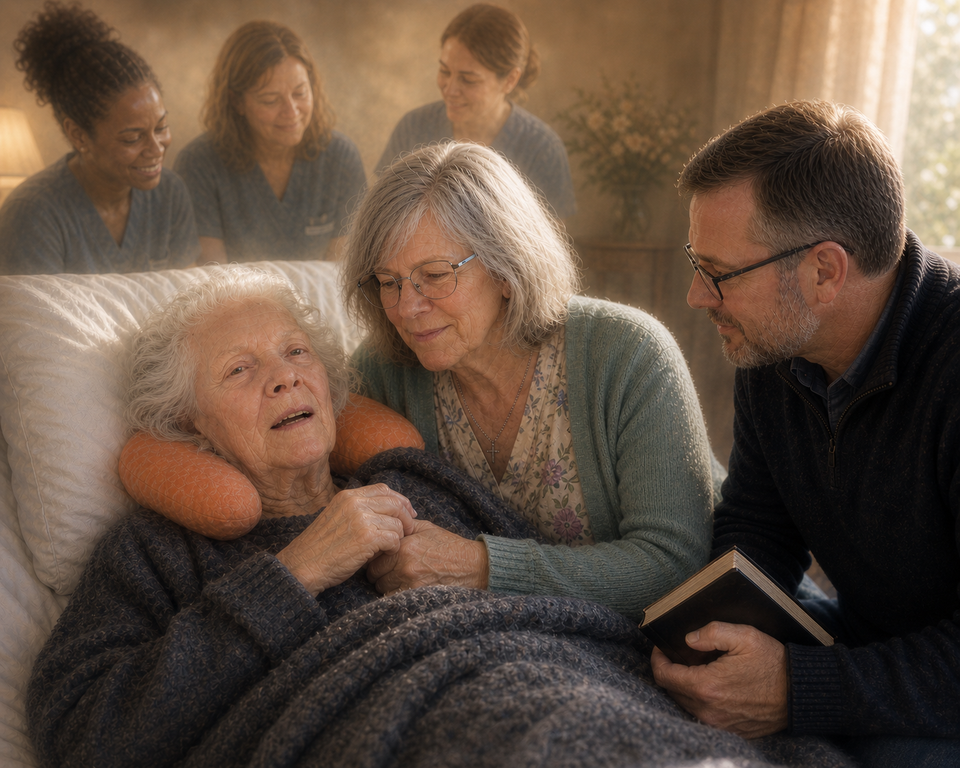
What Copper Falls Hospice showed me about dignity, support, and doing things right
It's worth repeating—Not all home hospice care is fraudulent.
I feel I need to say that right up front—because right now, there’s a lot in the news that can make people hesitant or even afraid.
And while some of those concerns are valid…what I experienced was something entirely different.
When our primary care provider told me we might be seeing the beginning of the end for Mom, she recommended Copper Falls Hospice (https://copperfallshospice.com/). That recommendation changed everything about how we walked through Mom’s final season.
I didn’t fully understand what hospice meant at the time—but I learned quickly.
I Didn’t Have to Figure It Out Alone
One of the biggest gifts hospice gave me was this:
I didn’t have to research, guess, or fight systems while caring for my mom.
They handled the authorizations through Medicare—even with supplemental insurance in place. I didn’t know how that worked. I didn’t have to. When Mom passed, they handled a lot of that as well.
That matters more than people realize.
When you’re already carrying the emotional and physical weight of caregiving, not having to navigate bureaucracy is more than helpful—it’s a relief you can feel in your body.
They Brought Options I Didn’t Even Know Existed
There were things we needed that I didn’t know were options.
There were also things available that we didn’t need—and they were honest about that too. One example was that we already had much of the durable medical equipment from earlier treatment. They didn’t try to get us to replace or repurchase things we already had.
That balance mattered.
They weren’t trying to push services. They were trying to do what was right—for Mom and for me.
And that built trust quickly.
The Team That Walked With Us
The people we needed—and who showed up consistently—were:
- The nurse
- The aide (showers and bed baths)
- The Chaplain
Each of them mattered in different ways.
They made sure Mom was:
- Comfortable
- Not in pain
- Treated with dignity—physically, emotionally, and spiritually
That word—dignity—gets used a lot. But when it’s real, you feel it.
You see it in how someone is spoken to.
You see it in how they are touched.
You see it in whether they are treated like a person… or a task.
Mom was treated like a person.
She was seen. She was honored.
In the early days of hospice, they spent time talking and joking with Mom. In the end, they still spent time talking with her. They never acted like they had to hurry to the next home.
They Took Care of the Details That Matter
They didn’t just “check in.”
They actively managed care.
They:
- Monitored and treated things like sores or infections
- Ensured tests were done when needed
- Provided medications
- Had those medications delivered
Nothing slipped through the cracks.
That level of attention matters—especially when small things can quickly become big things.
They Also Took Care of Me
This part matters more than most people expect.
It mattered a lot to me—and I’ve had a lot of experience in the world of medicine, so I already had a strong foundation.
They didn’t just care for Mom. They supported me.
They:
- Taught me what was happening
- Prepared me for what might come next
- Showed me how to support Mom in ways I wouldn’t have known on my own
And they supported me:
- Medically (education & guidance)
- Emotionally
- Spiritually
They made it clear I was not alone.
To be honest, I would be a mess right now if it weren’t for them.
Or more of a mess. 🙂
Care Adjusted as Mom’s Needs Changed
We didn’t stay at one level of care.
It adjusted as Mom’s needs changed.
We started with:
- Nursing: 2x/week
- Aide: 2x/week
- Chaplain: 1x/week
And as things progressed, that shifted to:
- Daily nursing
- Aide: 3x/week (more if I asked)
- Chaplain: as needed
- And they made it clear—if I needed them, I could call, and they would come
They also offered and brought in as needed:
- Social services
- Medical equipment I didn't have but now needed
- Additional personal (non-medical) care support
And their doctor worked alongside our PCP. No egos for me to deal with
This wasn’t fragmented care.
It was coordinated.
For those who know me…this level of coordination matters.
When Mom Passed, They Didn’t Step Away
When Mom passed, they didn’t disappear.
They coordinated:
- Handling the arrangements after Mom passed
- Notifying Medicare, insurance, and SSA
- Returning the bed and medical equipment
They walked me through:
- What to do next
- Who else to notify
- When to do it
In a moment where your brain doesn’t fully function the way it normally does…that kind of guidance matters more than I can explain.
And it didn’t stop there.
- They still check on me
- They still offer support
That’s not required.
That’s who they are.
Let’s Be Honest About the Headlines
There is fraud in hospice care.
That’s real.
But so is this:
Real hospice care exists.
I’ve seen it firsthand.
And when it’s done right, it is one of the most compassionate, human-centered services you can have in place.
Why We Chose This Hospice Provider
For me, the most important factor in the hospice provider we used was input from our PCP. I asked her, “Who works best with you?”
This company intentionally coordinated with our PCP. They truly became part of our PCP’s team.
We had the option to:
- Keep our PCP as the primary provider
- Switch fully to the hospice provider
- Or use a blended approach
We chose to blend both.
Both providers were active, involved, and fully aware of Mom’s care. They coordinated together and helped us build—and adjust—the treatment plan as things progressed.
I’ve had plenty of experience trying to get providers to coordinate care—and it’s not always easy.
It became very clear why this was the provider our PCP works most closely with.
Ideas on How to Evaluate a Hospice Provider
If you’re considering hospice, don’t go in blind.
Think about what matters most to you and your family.
Here are some things you may want to look for:
- Medicare-certified
- Clear explanation of what’s covered (and what’s not)
- Interdisciplinary team (nurse, aide, social worker, chaplain, volunteers)
- 24/7 availability or on-call support
- Willing to educate YOU, not just treat the patient
- Coordinates with your existing doctors
- Transparent about services you don’t need
- Treats your loved one with visible dignity and respect
- Offers bereavement/family support after passing
If those aren’t present—my recommendation...keep looking.
My Advice—Straightforward
Don’t avoid hospice out of fear.
Do your research.
Ask questions.
Choose carefully.
But when you find a good, honorable hospice provider…
Engage them.
It is one of the best decisions you can make for:
- Your loved one
- Yourself
- Your family
Final Thought
This season is not easy. There’s no version of it that is.
But walking it with the right people changes everything.
For us, Copper Falls Hospice was part of that.
Real people.
Helping real people.
Even when no one’s watching—and even when they’re not getting paid to keep showing up.
And that matters.
If you’re walking this road right now—you don’t have to walk it alone.



Comments ()